

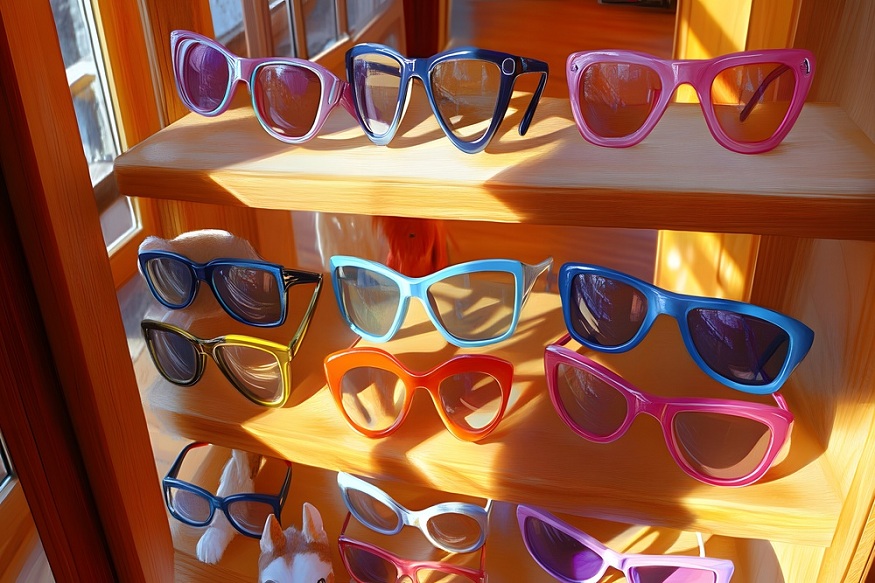
Customers walk in for one thing. They leave with five. That’s what happens when stores nail their sunglass displays. Those frames sitting by the register aren’t random. They’re calculated choices that turn ten-dollar sales into fifty-dollar receipts. Retailers who get this right watch their numbers climb without working any harder.
The Add-On Effect
Something weird happens when people buy sunglasses. Their wallets open wider. Maybe it’s because frames feel like a treat, not a necessity. Once someone decides they deserve new sunglasses, that lens cleaner looks necessary too. The case? Obviously needed. That second pair on sale? Why not?
Thirty-dollar sunglasses hit a sweet spot. Expensive enough to feel real. Cheap enough to leave room for more. After dropping thirty on frames, what’s another twelve for accessories? The brain is already committed to spending. Might as well make it count.
Timing helps too. Someone buying sunglasses in June probably needs sunscreen. Maybe a hat. Could use a new beach towel while they’re at it. The frames reminded them of summer plans. Now they are shopping for the entire trip, not just eye protection. One intended purchase became four.
Creating Collection Mindsets
People own multiple shoes. Multiple bags. Why not multiple sunglasses? Stores that push this angle sell way more frames. Display them like jewelry, not hardware. Suddenly customers think “collection” instead of “replacement.” Mix expensive and cheap options together. Watch what happens. Someone grabs the sixty-dollar polarized pair they actually need. Then they spot fun fifteen-dollar frames. “For the car,” they tell themselves. Now they’re buying both. Would they have bought two expensive pairs? No. Two cheap pairs? Also no. But one of each? That works.
Colors multiply sales fast. Blue frames match that new dress. Brown goes with everything. White would be perfect for summer. Each pair solves a different “problem.” Customers create these problems themselves, but who cares? They’re happy. The register’s happy. Everyone wins.
Strategic Display and Pricing
Put sunglasses next to clothes. Sales go up. Put them by the door. Different sales. By the pharmacy? Different again. Each spot triggers different buying patterns. Near clothes, people coordinate. By the door, they grab and go. Test different spots. Track what works. Bundle deals move product like crazy. Buy two, save twenty percent. People who wanted one pair convince themselves they need two. That “savings” justification is powerful. They’re not spending more; they’re saving money. At least that’s what they tell themselves while handing over their credit card.
Retailers who buy wholesale sunglasses from suppliers like OE Wholesale Sunglasses can offer good-better-best options that practically sell themselves. Three price tiers work perfectly. Nobody wants the cheapest. Few buy the most expensive. That middle option looks just right. But then they add a cheap pair anyway. “Just in case.” Now instead of selling one mid-priced pair, you sold one medium and one budget pair . More units, more money. The “matching set” angle works too. Sell adult frames next to kids’ versions. Parents buy their pair, then grab mini versions for the children. Family beach photo opportunities drive these sales hard.
Conclusion
Sunglasses aren’t just products. They are purchase triggers. Get the collection right and watch people buy more than they planned. Every time. It’s not trickery; it’s giving customers permission to buy what they already wanted. They just needed the right display, price, or combination to push them over. Frames start the conversation. Smart retailers make sure that conversation includes cases, cleaners, and second pairs. The basket grows. The customer’s happy and the store’s profitable. That’s how sunglasses turn single sales into shopping sprees.